Türkiye's Ministry of Trade Scrutinises November Discounts: Fines of Up to TRY 39.9 Million for Misleading Ads
Pre-discount prices must be based on the lowest price of the previous 10 days; campaign dates and conditions must be clearly stated
Türkiye's Ministry of Trade has announced that it will closely monitor discounted-sale advertising across all channels throughout the November campaign season. According to its statement dated 28 October 2026, advertisements found to be deceptive or misleading can face administrative fines ranging from TRY 99,339 to TRY 39,916,524, depending on the channel where the ad was published and the nature of the violation.
November, with campaigns such as "Legendary November" and Black Friday, is the busiest sales period of the year for e-commerce in Türkiye. At the start of the season, the Ministry reminded the market that inspections continue both through investigations it opens on its own initiative and through consumer complaints. Its message to sellers and marketplaces is clear: discount communication must comply with the updated rules in force since 1 August 2026.
What does the fine range mean?
The TRY 99,339 to TRY 39,916,524 range is not a fixed fine applied automatically to every violation. The Ministry stresses that the penalty depends on the channel where the advertisement appeared and the nature of the breach. TRY 39.9 million is the legal upper limit; no November-specific number of inspections or fines has been announced.
Rules in force since 1 August 2026
According to the Ministry, the rules on discounted-sale advertising were updated by a regulatory change that took effect on 1 August 2026. The aim is to ensure consumers receive accurate and complete information, that discount rates reflect reality and that campaign conditions are clearly stated. In advertisements for goods, the pre-discount price must be based on the lowest price applied during the 10 days before the discount starts.
Practices the Ministry highlighted
- Advertising discounts that do not actually exist,
- Setting the pre-discount price without using the lowest price of the previous 10 days,
- Omitting the campaign's start and end dates,
- Misleading consumers about the final discount by showing stacked rates such as "70% + 10% + 5%",
- Not following discounted-sale advertising rules in loyalty programmes and conditional-sale campaigns,
- Inconsistency between the main promise of an ad and its exceptions,
- Hiding exceptional conditions that may affect consumers' decisions, or making them hard to access.
What should sellers check before launching campaigns?
- Price history: Does the struck-through "old price" match the lowest price of the 10 days before the campaign?
- Dates: Are start and end dates clearly shown on every campaign visual and page?
- A clear final rate: If stacked discounts are used, can consumers easily understand the final price and real total discount?
- Conditions and exceptions: Are basket thresholds, membership or payment-method requirements as visible as the main promise?
- Loyalty programmes: Member-only discounts are also subject to the same rules.
- Checkout: Are service, delivery and similar fees added at checkout transparent?
Marketplace sellers are no exception: campaign visuals, product titles and social media posts are all within the scope of monitoring.
Advice for consumers and where to complain
The Ministry advised consumers to compare prices across sellers, check pre-discount and current prices, verify website reliability, read campaign conditions and exceptions, and watch for extra fees and deceptive designs at checkout. Consumers can file complaints about deceptive advertising and unfair commercial practices with the Advertising Board via the Ministry's website.
Why it matters
As noted in issue 104 of E-Aramızda, this year's November season starts amid intensifying platform competition but uncertain demand due to weaker purchasing power. Aggressive discount messaging may be tempting, yet non-compliant price histories and campaign texts can expose sellers to significant fines. Reviewing price records and campaign copy before launch may be the cheapest precaution of the season.
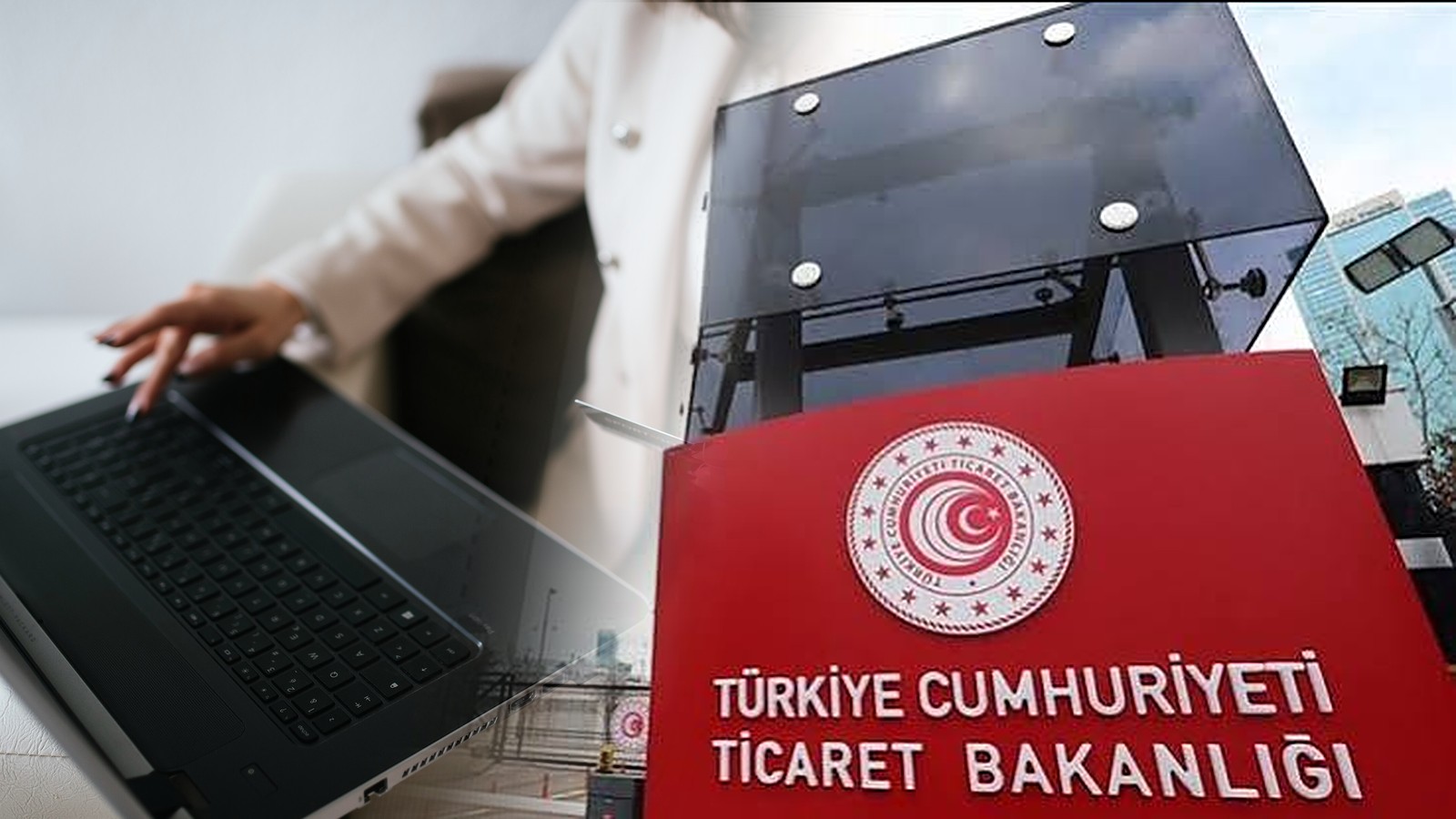
Source: Based on a development covered in Gökhan Tanrıverdi's E-Aramızda: 104 newsletter and the Ministry of Trade's official statement. Cover image is a composite: Ministry of Trade photo; laptop photo by Shixart1985, Wikimedia Commons, CC BY 2.0 (cropped and combined).
AI-assisted translation from the Turkish Ecomtrex source.
Frequently asked questions
How much is the fine for misleading discount ads in November?
According to Türkiye's Ministry of Trade, deceptive or misleading discount ads can face administrative fines between TRY 99,339 and TRY 39,916,524, depending on the channel and the nature of the violation.
How must the pre-discount price be set?
Under the rules in force since 1 August 2026, the pre-discount price in ads for goods must be based on the lowest price applied during the 10 days before the discount starts.
Are stacked discounts such as "70% + 10% + 5%" banned?
The Ministry lists misleading consumers about the final discount rate by showing multiple stacked rates among non-compliant practices. The final price and real discount must be clear.
Where can consumers complain about misleading discount ads?
Consumers can submit complaints about deceptive advertising and unfair commercial practices to the Advertising Board via the Ministry of Trade's website.
Sources
- Kasım Ayı İndirim Kampanyaları Ticaret Bakanlığı'nın Yakın Takibinde. Ministry of Trade of the Republic of Türkiye. Accessed: November 7, 2026.
- E-Aramızda: 104. E-Aramızda. Accessed: November 7, 2026.
- How to Apply to the Advertising Board. Ministry of Trade of the Republic of Türkiye. Accessed: November 7, 2026.