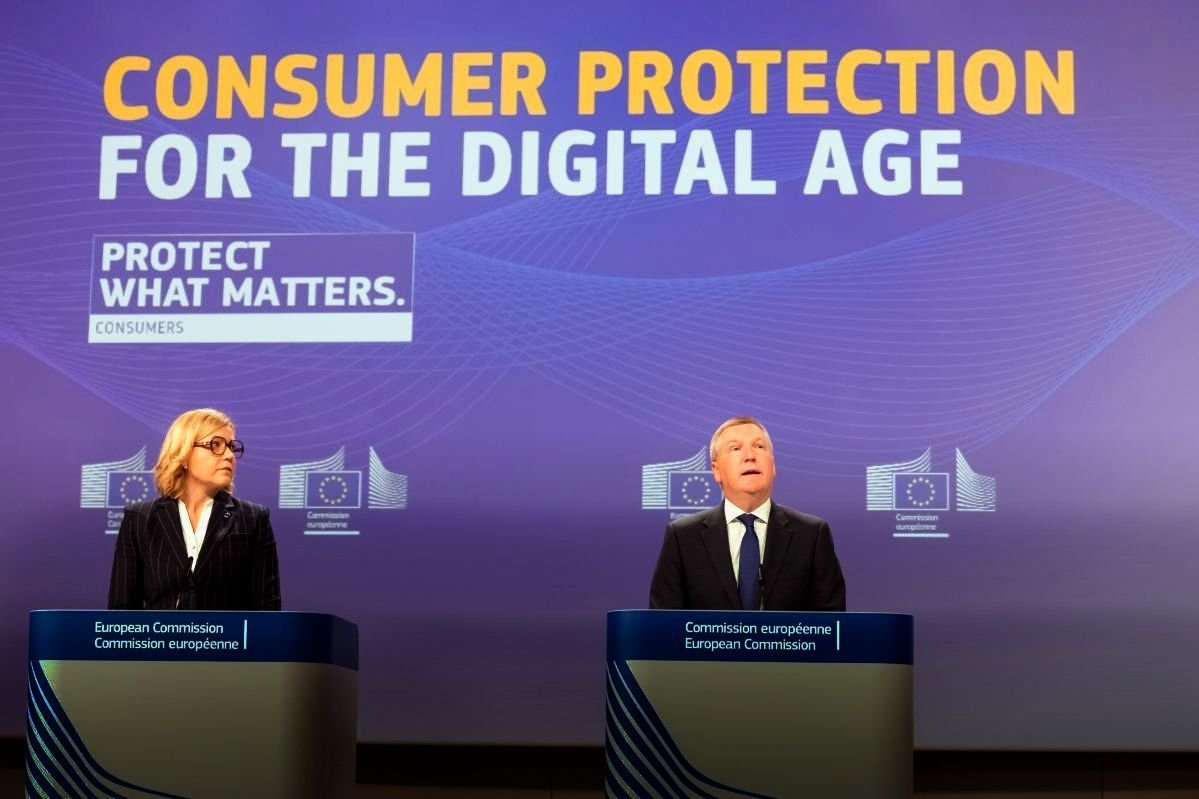
European Commission adopts proposal for a Digital Fairness Act
On 11 November the European Commission adopted a proposal for a Digital Fairness Act aimed at dark patterns, addictive design and misleading prices in online shopping.
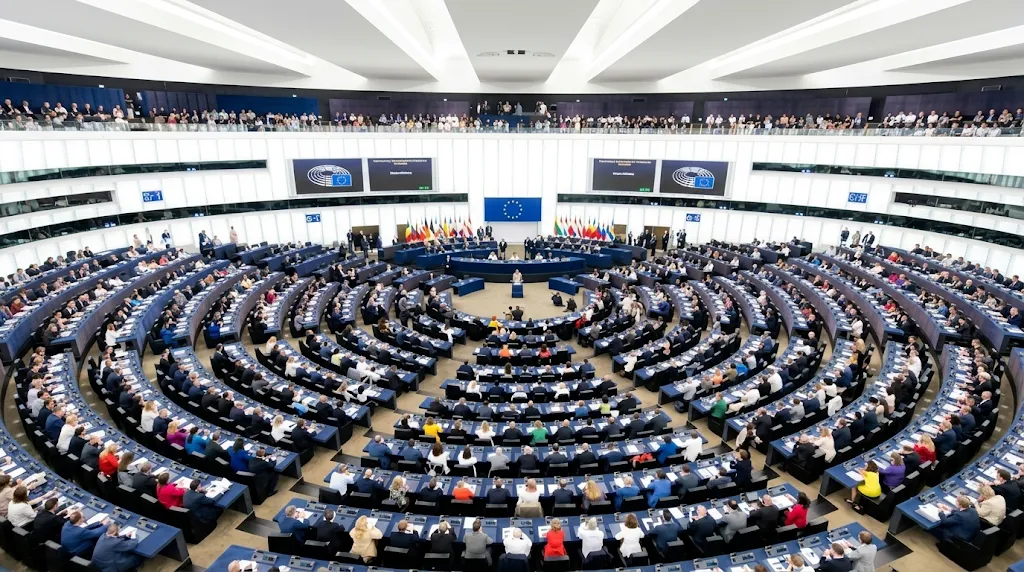
On 11 November 2026 the European Commission jointly adopted a proposal for a Digital Fairness Act (DFA) and a Simplification Directive. This is a legislative proposal; it does not take effect until the European Parliament and member states have approved it.
What the proposal targets
According to the Commission’s official page, the aim is to strengthen protection and digital fairness for consumers, including vulnerable consumers and children, while clarifying and simplifying rules for businesses in the EU. The DFA proposes changes to consumer law to tackle problems consumers commonly report online.
Those include dark patterns, meaning misleading screen designs that steer users into a choice they did not intend, and addictive design. The proposal also covers practices that encourage overspending, unfair personalisation that targets people’s vulnerabilities, problems with social media influencers, obscure dynamic pricing and misleading pricing practices.
Other listed issues include obstacles to cancelling contracts concluded online, automatic renewals of subscriptions, free trials that turn into paid subscriptions without a clear step, and the inability to reach a human contact for customer service.
Where this sits in existing consumer law
The DFA and the Simplification Directive are part of a Consumer Package to update EU consumer law, which also includes a revision of the Consumer Protection Cooperation Regulation. The Commission describes this as the most significant upgrade of EU consumer-protection legislation in more than 20 years.
What it means for sellers
For shops selling into Europe, covered in our global reporting, this is not yet a binding list of bans. It is the Commission’s opening proposal. Urgency messages on product pages, how prices are displayed, how subscriptions are cancelled and how influencer ads are labelled are likely to be discussed more often. Sellers in Türkiye who sell to EU consumers may fall within the rules; the final text and start date depend on the parliament and the member states.
AI-assisted translation from the Turkish Ecomtrex source.
Frequently asked questions
Is the Digital Fairness Act already in force?
No. The European Commission adopted a proposal on 11 November 2026. It is not binding until the European Parliament and member states have agreed it.
What is a dark pattern?
A dark pattern is a misleading design on a website or app that steers a user into an action they did not intend. The Commission proposal would address this alongside addictive design and misleading prices.
Does this affect sellers in Türkiye?
The rules are meant to protect EU consumers. Sellers who sell to Europe may be covered once the final text is agreed. There is no confirmed start date yet.
Sources
- Digital Fairness Act. European Commission. Accessed: November 11, 2026.
- Making your online experience fairer. European Commission. Accessed: November 11, 2026.